
Communication and swallowing
Speech
Pathology
Help with being understood — first words, school, work, or finding a way to communicate that doesn't rely on speech at all. We also work with eating, drinking and swallowing.
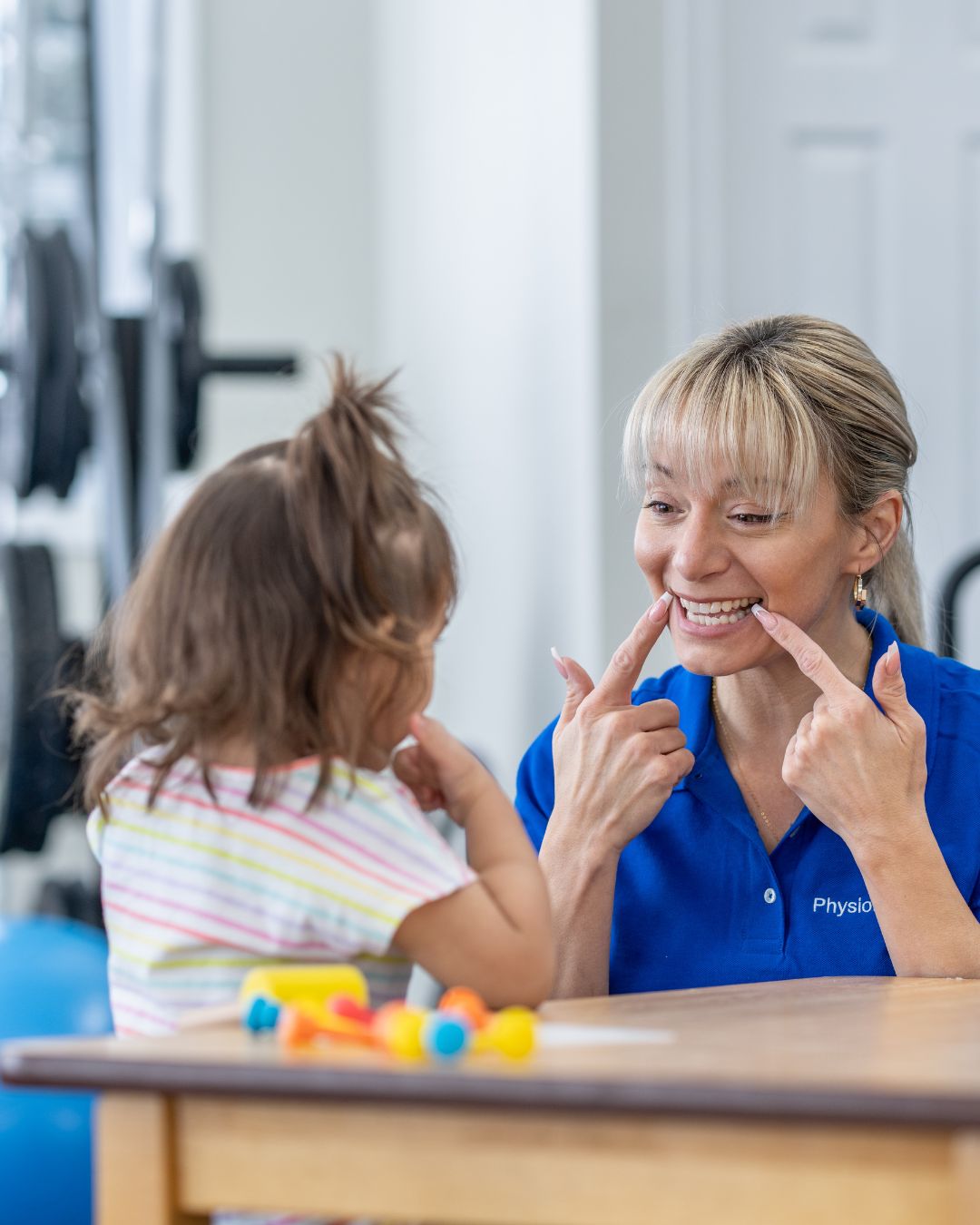
What this service is
Every voice deserves to be heard.
Communication is how we connect, express ourselves, build relationships and participate in everyday life. Whether through speech, gestures, writing or augmentative and alternative communication, everyone deserves the opportunity to communicate in ways that are meaningful to them.
Our speech pathologists work alongside children, adolescents and adults to strengthen communication, support safe eating and drinking, and build confidence across the environments that matter most.
This service may be right for you if...
- You or your child is finding it difficult to express themselves or be understood by others.
- Communication is making it harder to learn, build relationships or participate in everyday activities.
- You or your child are finding conversations difficult to start, follow or maintain.
- You're looking for another way to communicate, including augmentative and alternative communication (AAC).
- Reading, writing or social communication skills are affecting confidence or participation.
- Eating, drinking or swallowing has become difficult, uncomfortable or unsafe.
Our approach
Communication is most meaningful when it works in everyday life.
The goal of speech pathology is to help people communicate with greater confidence in the moments that matter most. Whether that's expressing a need, joining a conversation, participating in learning, or eating and drinking safely, therapy focuses on the skills that make the greatest difference in everyday life.
Supporting meaningful communication
Communication is more than spoken words. We recognise and support the ways each person communicates, whether through speech, gestures, writing, signs or augmentative and alternative communication (AAC), helping them express themselves with greater confidence.
Making therapy relevant
The most effective therapy reflects everyday life. Goals and strategies are designed around the environments, relationships and activities that are most important to the individual, making communication more meaningful beyond appointments.
Growing confidence over time
Communication develops through consistent practice, encouragement and opportunities to participate. Therapy focuses on achievable progress that supports greater independence, stronger relationships and participation across daily life.
Getting started
What to expect
Your first appointment is an opportunity to understand how communication or swallowing is affecting everyday life. Your speech pathologist will take the time to learn about your strengths, your concerns, and the goals that are most important to you or your family.
Depending on your needs, the first session may include an assessment, discussion, or observation. Together, you'll develop a therapy plan that reflects your goals, with practical strategies that can be used between appointments and across the environments that matter most.
-
Referral
Send a referral or enquiry through our referral form. Our admin team will confirm what information and funding details we need.
-
Intake and matching
We ask what's happening, what you've already tried and who else is involved, then match you with a clinician who suits.
-
Assessment
Your speech pathologist looks at communication or swallowing across the settings that matter, not just across a desk.
-
Goals and therapy
You agree on what you're working towards, then get on with it — with practical things to try between sessions.
-
Review
We check what's shifted, change the plan when goals change, and write reports where your funding requires them.
NDIS speech pathology
$193.99 per hour
Charged in line with the current NDIS Pricing Schedule.
NDIS price limits change each year—check with us before you start.
Paying for it
Funding
This service can be funded through the NDIS. We work with self-managed, plan-managed and agency-managed participants.
Not with the NDIS? You can attend privately. We'll confirm fees with you before your first appointment, so there are no surprises.

Our people
Your clinicians
Our speech pathologists are practical about this. They'll tell you what's likely to make a difference, what probably won't, and how long it tends to take.
Meet the speech pathology teamGet in touch
Ready to start?
Send a referral through and our admin team will be in touch.